
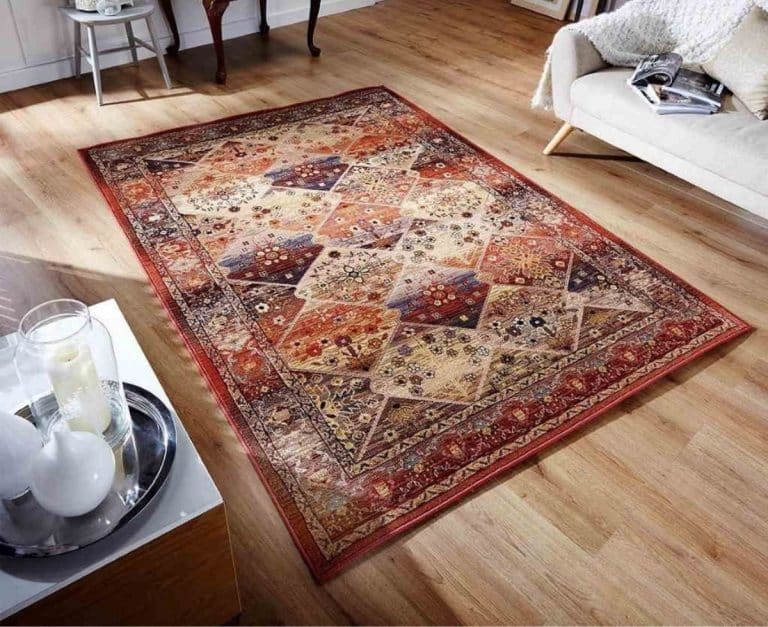
Persian rugs are renowned for their intricate designs, vibrant colors, and exceptional craftsmanship. These beautiful works of art require proper care to maintain their beauty and longevity. In this comprehensive guide, we will walk you through the essential steps for cleaning Persian rugs, ensuring they remain stunning for generations to come.
When Should You Avoid Cleaning a Persian Rug at Home?
Routine vacuuming and prompt attention to spills help preserve a Persian rug, but full washing is not suitable for every piece. Silk rugs, antique carpets, and rugs with unstable dyes need specialist assessment before cleaning. Previous repairs, weakened foundations, and extensive pet contamination can also affect the treatment required. If you are unsure about the fibres or condition, avoid experimenting with water or cleaning products until the rug has been inspected.
A small colourfastness test is useful, but it does not guarantee that every colour will remain stable throughout washing and drying. Different areas may respond differently to moisture, cleaning solutions, and temperature. For owners researching Persian rugs Vancouver, understanding these care requirements is just as important as choosing a beautiful pattern. Ask about the rug’s materials and cleaning needs when purchasing, particularly if it will be placed in a busy household.
Common Persian Rug Cleaning Mistakes to Avoid
One common mistake is treating a handmade Persian rug like ordinary wall-to-wall carpeting. Household carpet-cleaning machines can introduce more moisture and agitation than a delicate rug can tolerate. Vigorous scrubbing may also distort the pile or spread a stain into surrounding fibres. For a fresh spill, gently blot with a clean white cloth instead of rubbing, and seek advice before applying a stain remover to wool, silk, or an unfamiliar material.
Another mistake is assuming that a product is suitable simply because it is labelled “mild” or intended for carpets. Oxygen cleaners should not be used on wool or silk rugs, and dry-cleaning powders should not be treated as a universal solution for delicate pieces. Before applying a product, confirm that it is appropriate for the specific fibres and construction. A carpet store Vancouver homeowners consult for handmade rugs should be able to explain the care requirements of the pieces it sells.
Identify the Material
Before you begin cleaning, it’s crucial to know what material your Persian rug is made of. These rugs can be crafted from wool, silk, or a blend of both. Each material requires specific care techniques to avoid damage.
Check the Dye Stability
Persian rugs often feature natural dyes. To ensure the colors won’t bleed during cleaning, perform a dye stability test. Dampen a white cloth with water and gently press it on a small, inconspicuous area of the rug. If the colors transfer, professional cleaning is recommended.
Why Thorough Drying Matters After Cleaning Persian Rugs
A Persian rug can feel dry on the surface while moisture remains within its foundation. This is especially important for rugs with absorbent cotton foundations, which can retain water beneath the pile. Inadequate drying may contribute to colour migration, unpleasant odours, and structural problems. Proper Persian rug cleaning therefore requires attention to the entire rug, including its underside, rather than checking only the visible fibres.
After a minor spill, blot away moisture and encourage gentle airflow around the affected area. Avoid putting furniture back over the spot or returning the rug to storage while it remains damp. A thoroughly wet rug requires more than surface drying with a household fan; professional extraction and controlled drying may be necessary. There is no single drying time that suits every Persian rug, as thickness, materials, and surrounding conditions all affect the process.
Pre-Cleaning Preparation
Vacuum Thoroughly
Start by vacuuming both sides of the rug to remove loose dirt and debris. Use a vacuum cleaner with a gentle suction setting and avoid using beater bars, as they can damage the fibers.
Inspect for Damage
Look for any signs of damage such as frayed edges, loose threads, or worn areas. Address these issues before cleaning to prevent further deterioration.
Cleaning Techniques
Dry Cleaning
For delicate Persian rugs, dry cleaning is a safe option. Use a dry rug cleaning powder and sprinkle it evenly over the surface. Gently work the powder into the fibers with a soft brush, let it sit for the recommended time, and then vacuum it up.
Wet Cleaning
If your rug can withstand moisture, wet cleaning can be effective. Follow these steps:
Spot Cleaning Stains
- Blot the Stain: Use a clean, white cloth to blot the stain gently. Avoid rubbing, as this can spread the stain and damage the fibers.
- Apply a Cleaning Solution: Mix a small amount of mild detergent with water. Test the solution on a hidden area first to ensure it doesn’t affect the colors.
- Clean the Stain: Apply the solution to the stain and gently blot with a clean cloth. Rinse with clean water and blot dry.
Full Rug Cleaning
- Prepare the Cleaning Solution: Mix mild detergent with lukewarm water.
- Clean in Sections: Using a sponge or soft brush, gently scrub the rug in small sections. Avoid soaking the rug as excessive moisture can damage it.
- Rinse Thoroughly: Rinse each section with clean water to remove soap residue.
- Dry Properly: Lay the rug flat in a well-ventilated area to dry. Avoid direct sunlight as it can fade the colors.
Professional Cleaning
For valuable or heavily soiled Persian rugs, professional cleaning is often the best option. Expert cleaners have the knowledge and equipment to clean your rug safely and effectively.
Post-Cleaning Care
Brush and Groom
Once the rug is dry, use a soft brush to gently groom the fibers. This helps maintain the rug’s texture and appearance.
Rotate Regularly
To ensure even wear, rotate your Persian rug every six months. This practice also helps prevent fading in areas exposed to direct sunlight.
Maintaining Your Persian Rug
Preventative Measures
- Use Rug Pads: Place a rug pad underneath to prevent slipping and reduce wear.
- Avoid Direct Sunlight: Prolonged exposure to sunlight can fade the colors. Use curtains or blinds to protect your rug.
- Clean Spills Immediately: Promptly address spills to prevent stains from setting.
Storing Your Persian Rug
If you need to store your rug, follow these steps to keep it safe:
- Clean Before Storing: Ensure the rug is thoroughly cleaned and dried.
- Roll, Don’t Fold: Roll the rug with the pile facing inward to avoid creases.
- Use a Protective Cover: Wrap the rug in a breathable fabric or rug cover to protect it from dust and pests.
- Store in a Cool, Dry Place: Avoid damp or humid areas which can cause mold and mildew.
Should Frayed Edges and Damaged Fringe Be Repaired Before Cleaning?
Before washing a Persian rug, examine the edges, ends, and any areas where the pile has worn thin. Loose stitching, exposed foundation threads, and unravelled sections deserve particular attention because cleaning and handling may place additional stress on them. Arrange an assessment for professional carpet repair if you notice these problems. A specialist can determine whether vulnerable areas need securing before the rug proceeds through cleaning.
The appropriate order of cleaning and repair depends on the individual piece. Some areas may need temporary stabilization first, while more extensive restoration can be planned around the cleaning process. Tell the specialist about previous repairs and any changes you have noticed, such as increasing fringe loss or an edge that continues to unravel. Assessing these concerns together helps establish a care plan suited to the rug’s condition.
Expert Persian Rug Cleaning and Restoration Services in Vancouver
At Shenasi Carpet, we understand the value and significance of your Persian rugs. Based in Vancouver and serving the surrounding area, we offer expert cleaning and restoration services tailored to your rug’s unique needs. Unlike some providers, we do not offer wall-to-wall carpet services, focusing instead on preserving the beauty and integrity of your cherished rugs.
If you’re ready to give your Persian rug the care it deserves, contact us today to schedule a consultation with our experienced team. Let us help you restore and maintain the timeless beauty of your rug for years to come.
Cleaning and maintaining Persian rugs might seem daunting, but with the right approach, you can ensure they remain a stunning centerpiece in your home. Follow these steps to keep your rug looking its best, and don’t hesitate to seek professional help when needed. Your Persian rug is not just a floor covering; it’s a piece of art that deserves the utmost care and attention.